Fabrics in circulation

Every fabric has an afterlife.

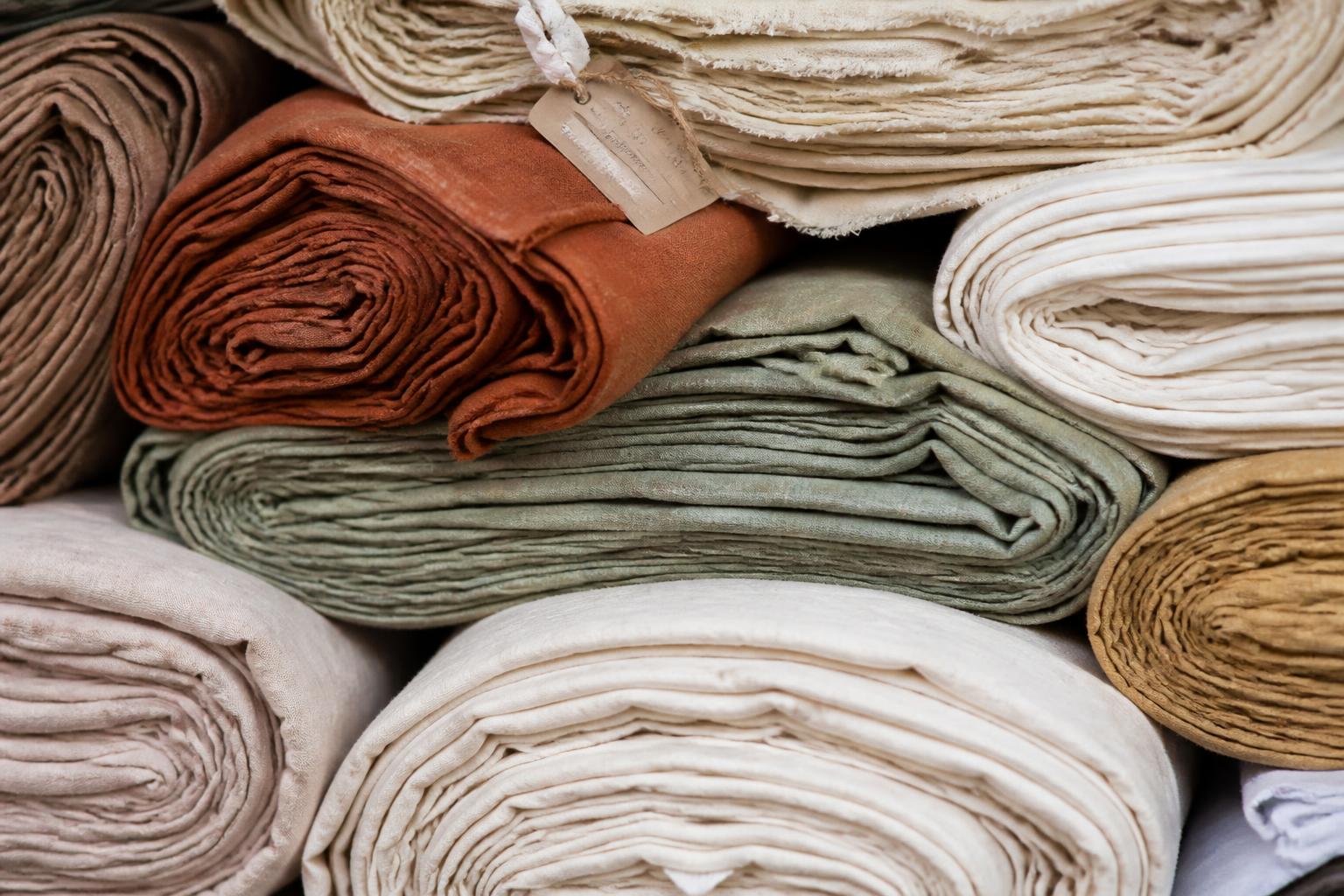
The cloth that carries weddings, ceremonies, studios and factories does not end at one use. Below is the working catalogue of what Replastex keeps in circulation, where each fabric comes from, and how it earns its next life.

Aso-oke fabric, Yoruba, Nigeria
Yoruba, Nigeria

Aso-oke

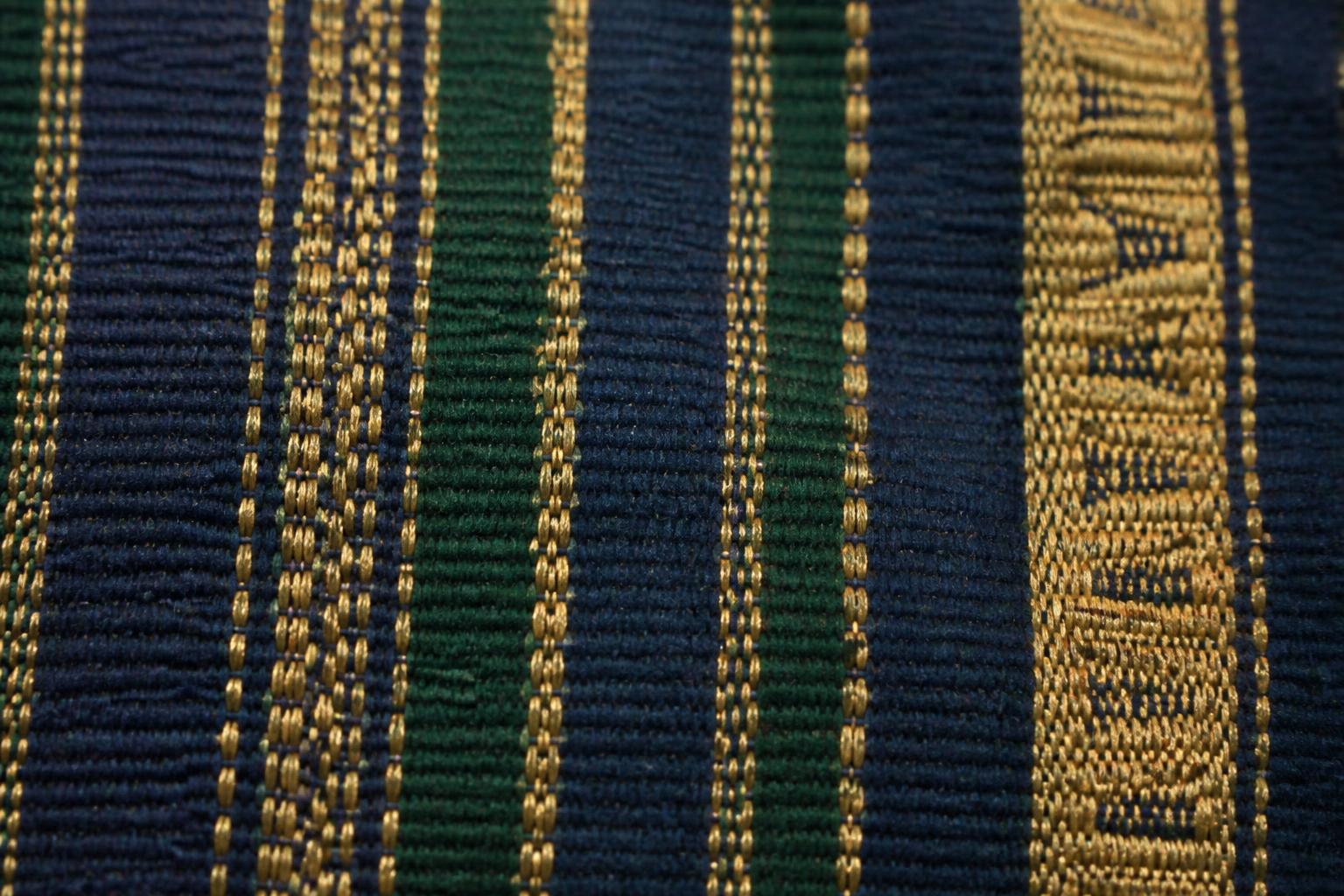
Handwoven on narrow looms in Iseyin, Oyo and across Yorubaland for centuries. Aso-oke is the cloth of agbada, gele and the most important days of a family's life. Indigo, forest green and metallic lurex are woven warp by warp, which is why a single wrapper can take weeks of loom time.

Afterlife

Wedding sets retired after one ceremony, ceremonial off-cuts and surplus loom lengths re-enter as panels for new agbada, accessories and capsule pieces.
French lace fabric, Imported, finished in Lagos and Onitsha
Imported, finished in Lagos and Onitsha

French lace

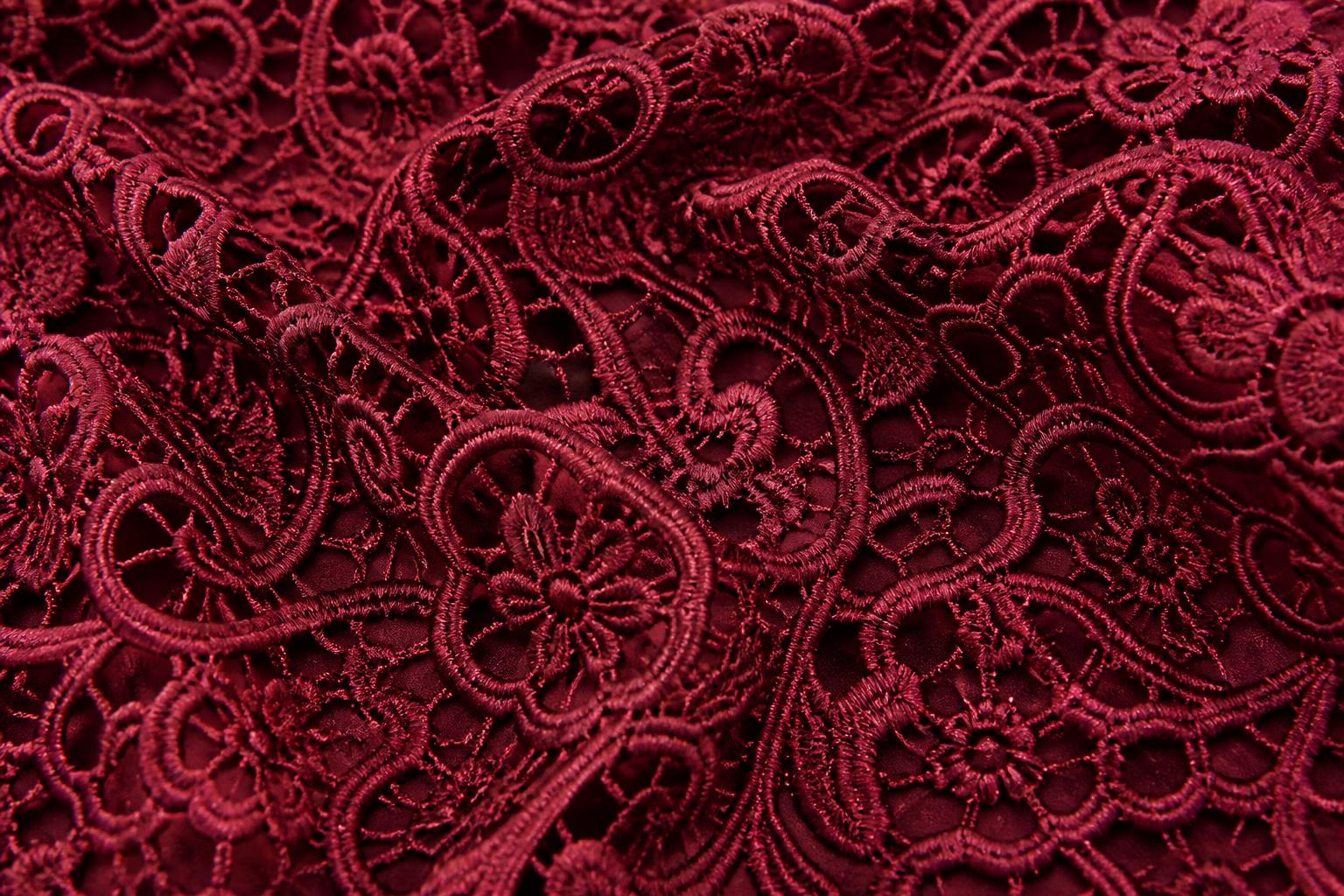
Guipure, cord and chemical lace from Calais, Plauen and Austria became central to West African formal dress through decades of trade. The intricate floral guipure here is what shapes an Owambe Saturday, scaled into boubous, blouses and headties.

Afterlife

Single-event lace sets, store-room overstock and tailor cut-offs are recovered, sorted by motif and weight, and routed to designers who rework them into modern silhouettes.

Brocade fabric, West Africa, woven on jacquard looms
West Africa, woven on jacquard looms

Brocade

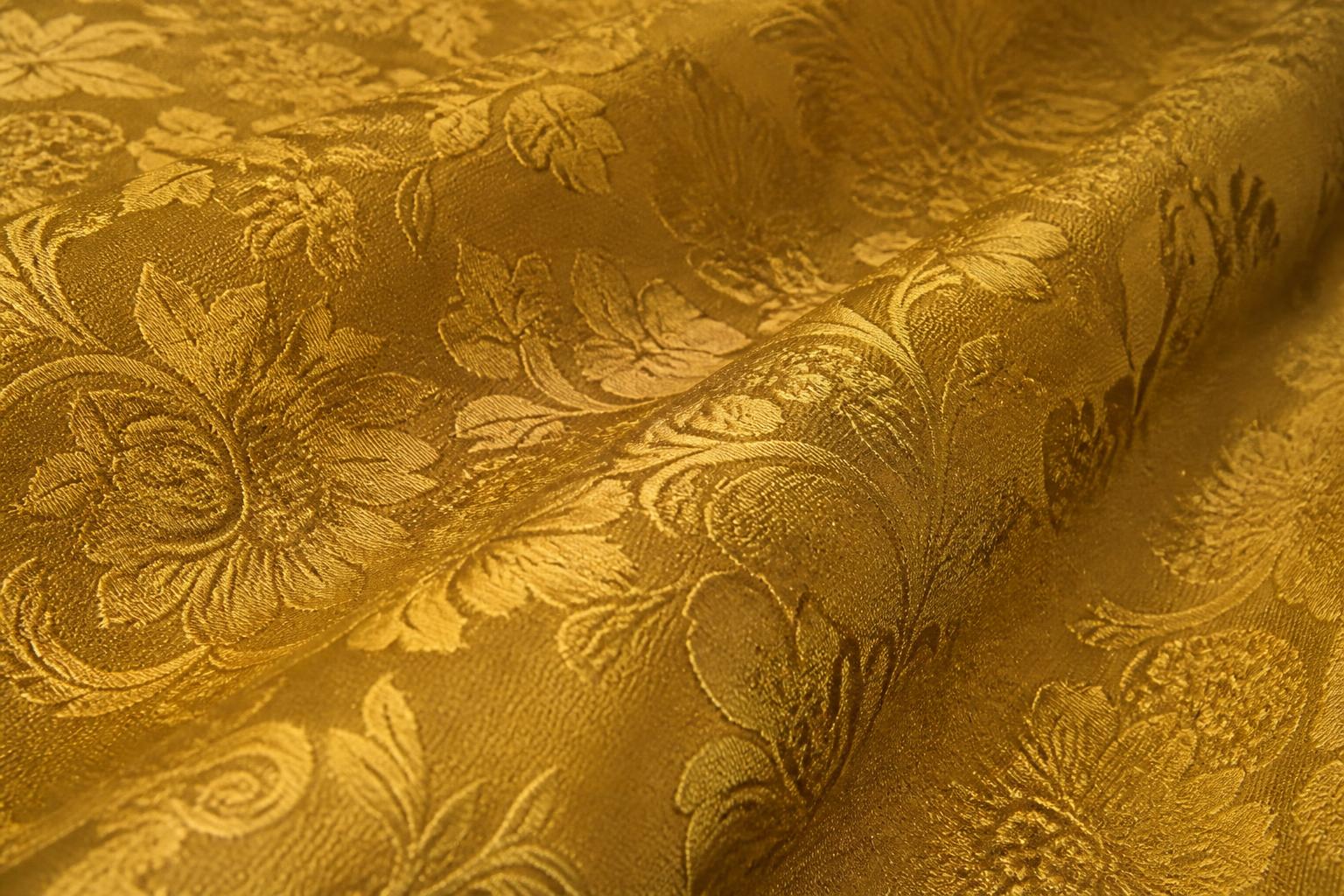
Damask brocade, locally called shadda, carries a subtle satin sheen and a raised jacquard motif. It is the everyday luxury of formal dressing, dyed in deep brass, oxblood and indigo and finished to a glassy hand.

Afterlife

Bolt ends from tailoring houses and lightly used aso-ebi sets return to circulation as material for linings, structured panels and reworked occasion wear.

Ankara fabric, West Africa, via Dutch wax printing
West Africa, via Dutch wax printing

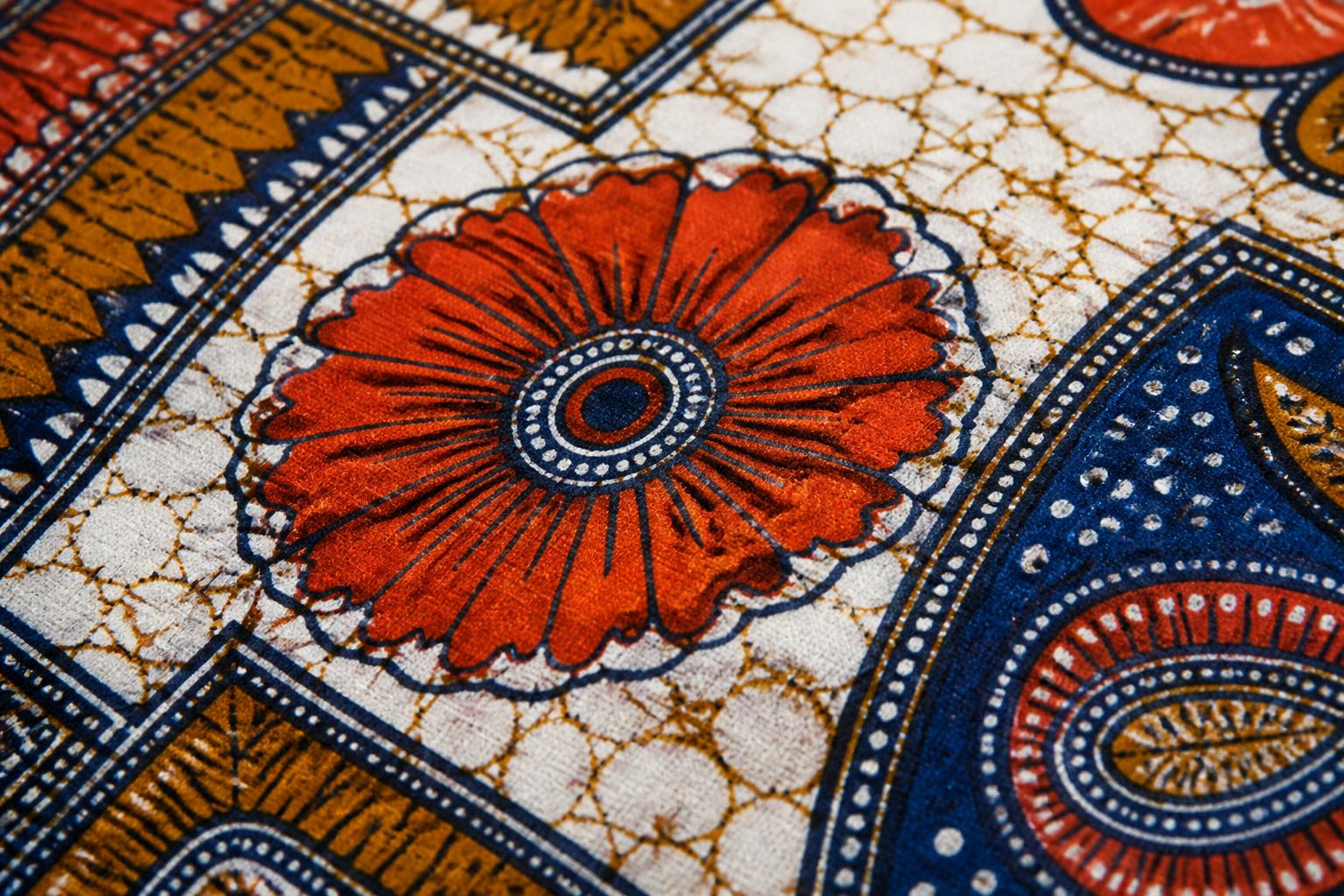
Ankara

True wax-resist cotton with its signature crackle pattern. Ankara is the most photographed African textile in the world, but most studios produce more than they sell. Every collection leaves panel remnants behind.

Afterlife

Off-cuts, sampling yardage and unsold stock are sorted by print family and weight, then offered as ready-to-cut panels for accessories, kidswear and capsule runs.

George fabric, Imported, central to Niger Delta and Igbo dress
Imported, central to Niger Delta and Igbo dress

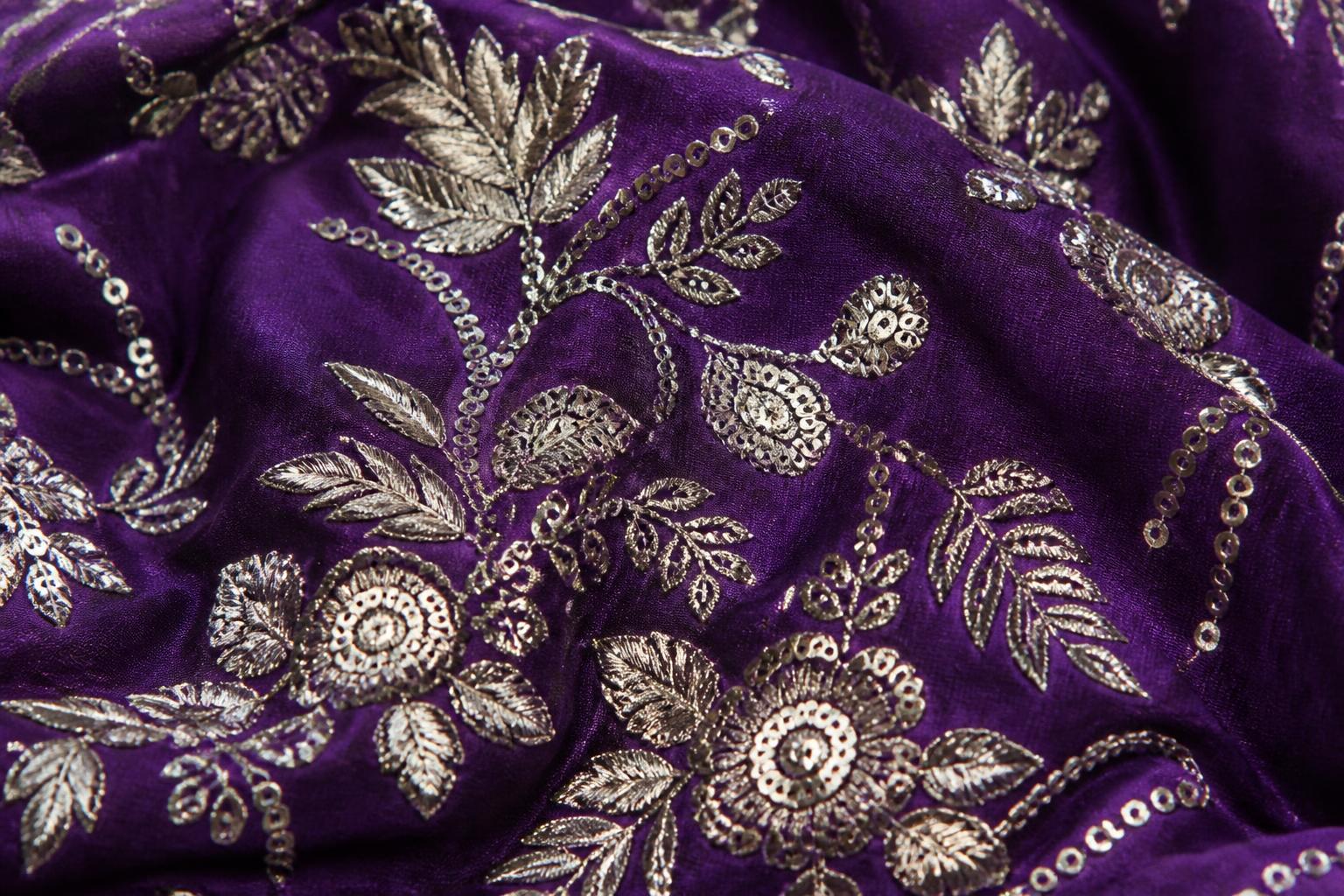
George

A rich silk wrapper with metallic embroidery and sequinned floral motifs. George is the cloth of Igba Nkwu, of New Yam, of Delta and Igbo weddings. Stiff, luxurious, and almost always retired after a handful of wears.

Afterlife

Recovered wrappers and Indian George surplus are graded and routed to designers building modern eveningwear from heritage cloth.

Akwete fabric, Igbo, Akwete town, Abia State
Igbo, Akwete town, Abia State

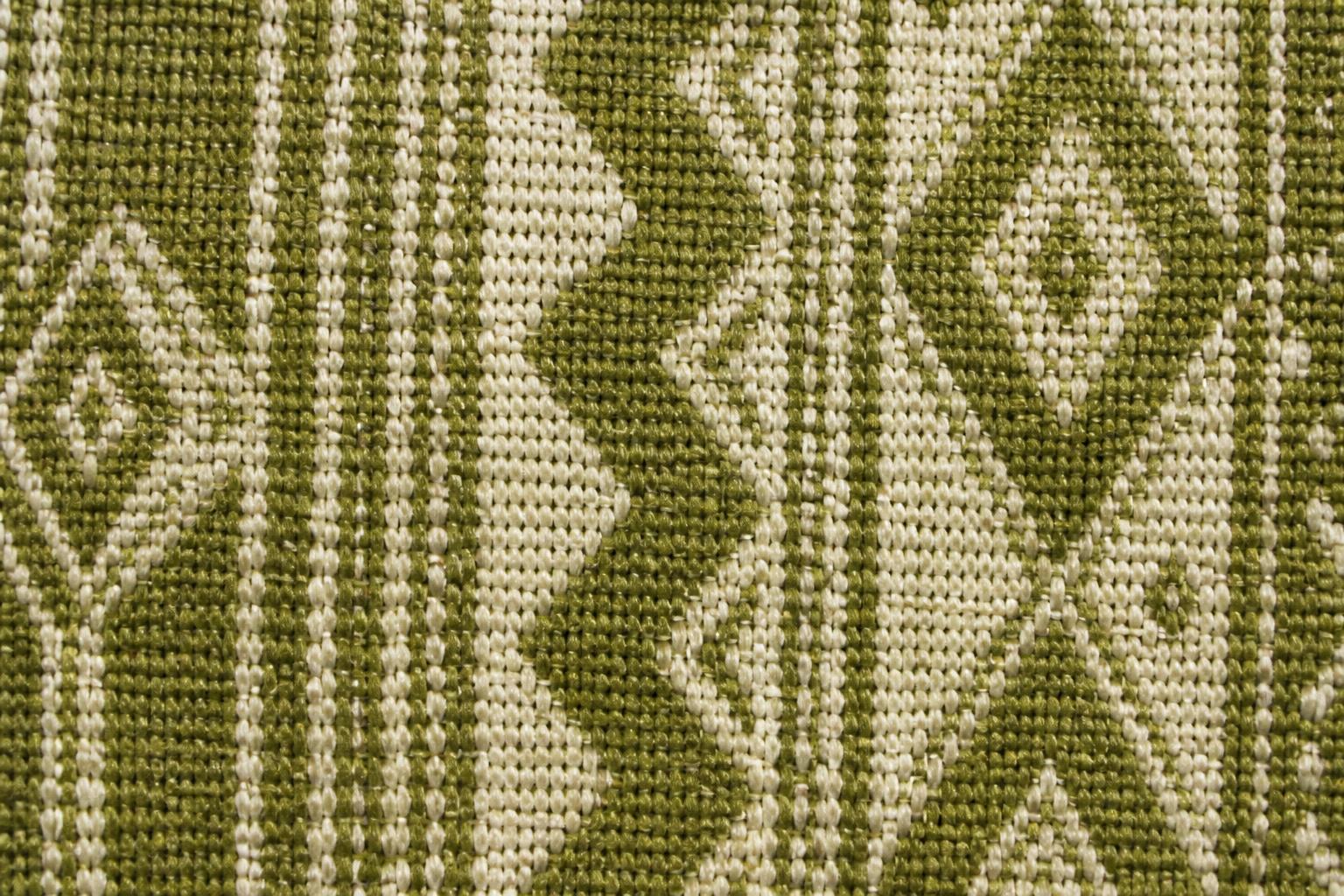
Akwete

A women's weaving tradition with raised supplementary-weft motifs (ebe, ikaki, akpukpa) on chunky handloom cotton. Each cloth is a record of the weaver's hand. No two are identical.

Afterlife

Older Akwete pieces and weaver studio off-cuts are catalogued and matched to designers who treat the cloth as both material and archive.

Denim fabric, Global, with a heavy footprint on the continent
Global, with a heavy footprint on the continent

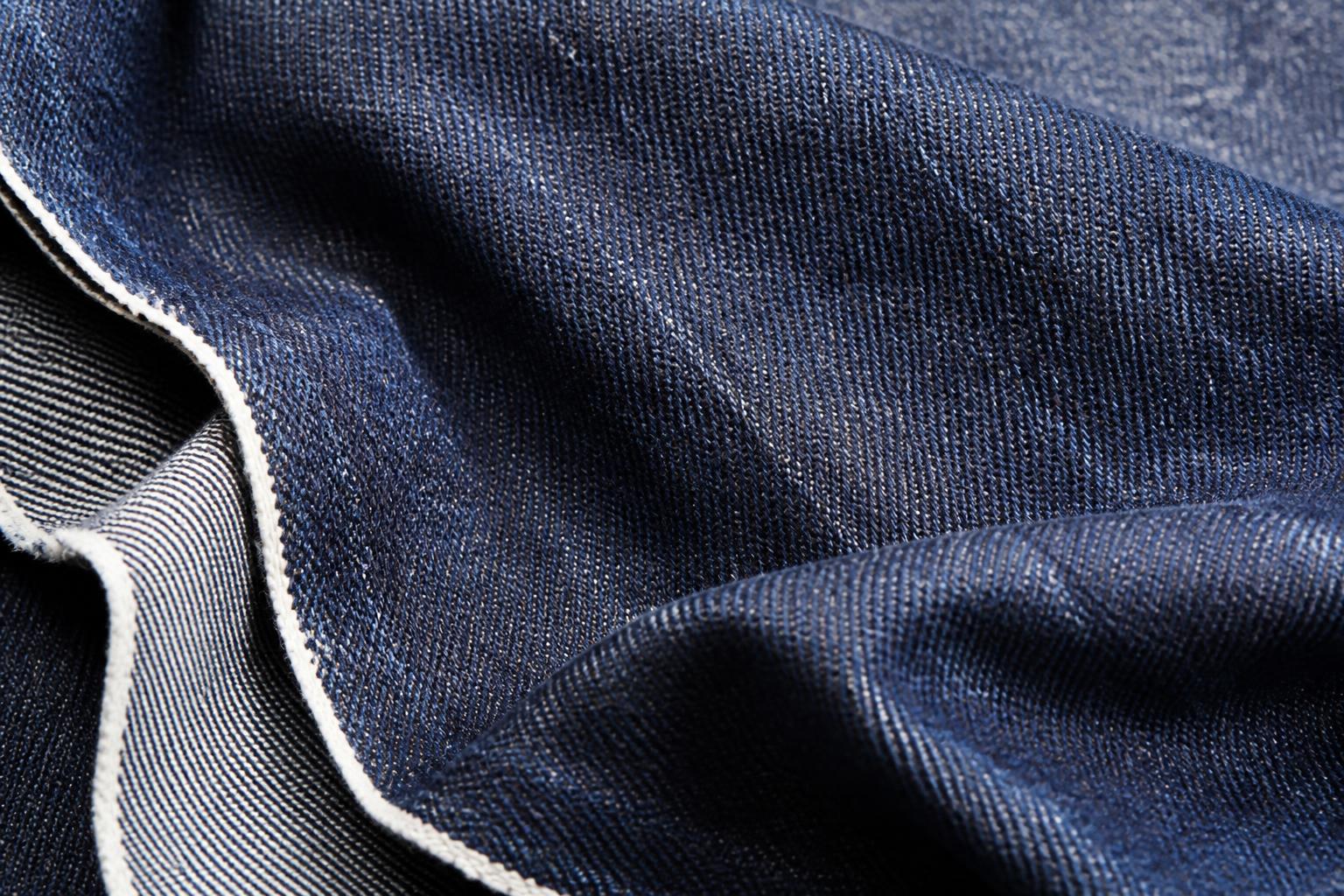
Denim

Indigo twill is the most consumed textile on earth and one of the most water-intensive to produce. It also lasts. A well-made denim panel can be cut and re-cut across three or four lives before it becomes fibre again.

Afterlife

Recovered jeans, factory denim seconds and selvedge end-of-roll lots are graded by weight and wash, then redirected to ateliers and recyclers as cut-ready material.

Deadstock fabric, Production overflow, globally and locally
Production overflow, globally and locally

Deadstock

Every studio, factory and importer ends a season with rolls that never reached a customer. Deadstock is the quiet majority of textile waste. Most of it is clean, sorted and fully usable.

Afterlife

Suppliers list deadstock bolts directly. Designers and recyclers buy them at honest market value instead of letting them sit, burn, or land in waste sites.

Bark cloth fabric, Buganda, Uganda (UNESCO heritage)
Buganda, Uganda (UNESCO heritage)

Bark cloth

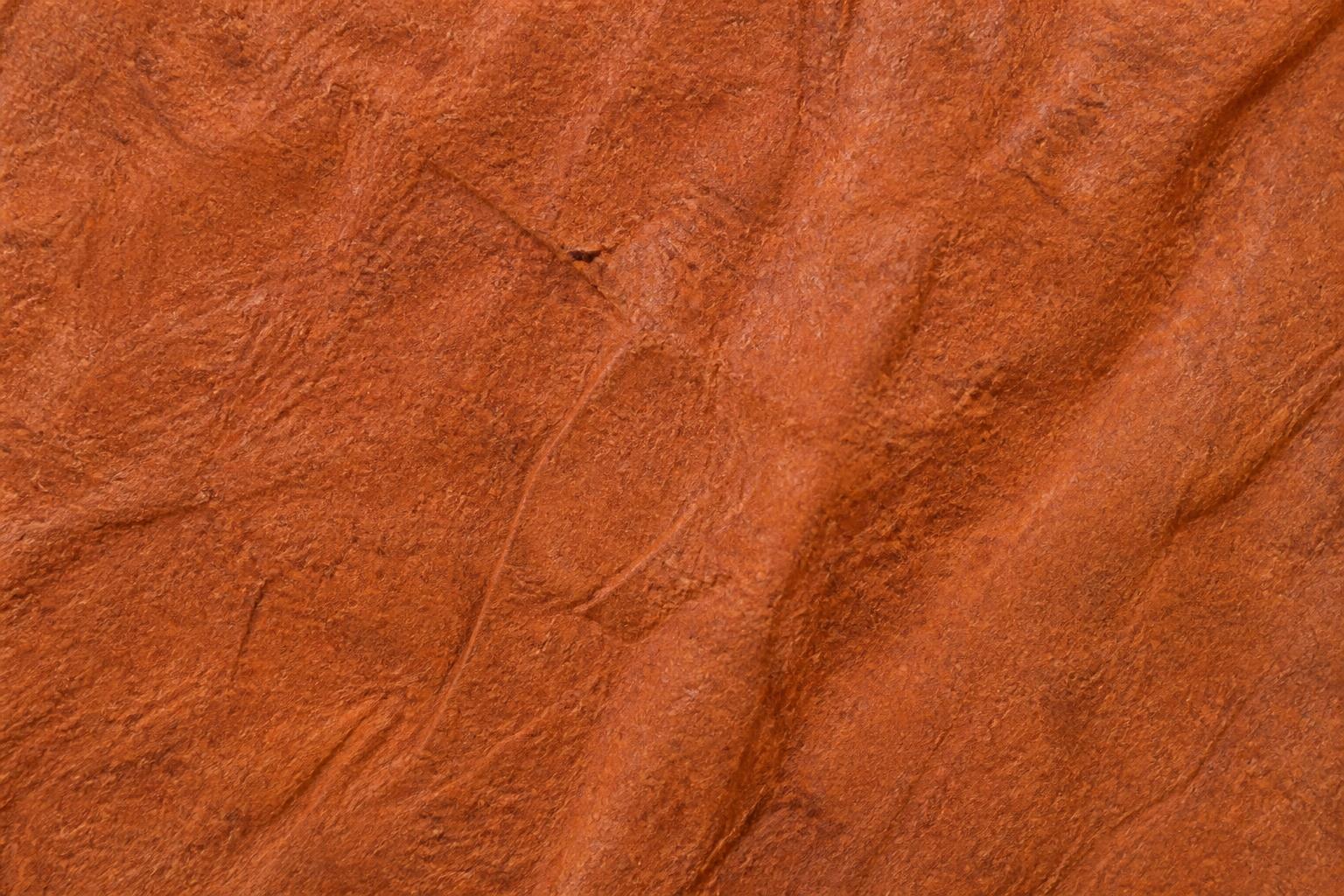
Lubugo is made by hand from the inner bark of the mutuba fig tree, which regenerates after every harvest. The cloth is beaten, not woven, and dyed by sun into its characteristic terracotta. It is one of the oldest known textiles and a recognised UNESCO Intangible Cultural Heritage of Humanity.

Afterlife

Bark cloth enters the marketplace from heritage producers and from contemporary studios working with it, paired with buyers who want a material with a regenerative source from the start.

Batik fabric, West Africa, via Javanese technique
West Africa, via Javanese technique

Batik

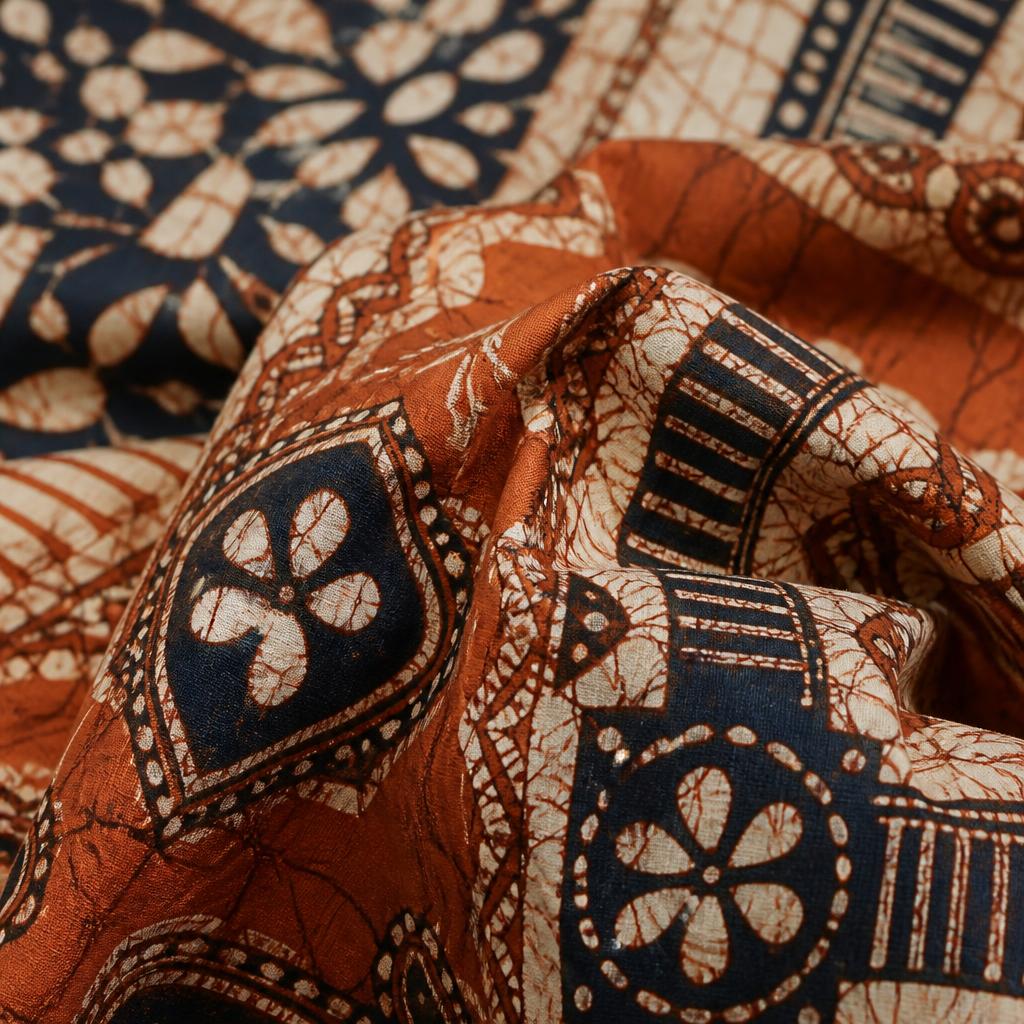
Wax-resist dyeing applied to cotton in repeating geometric and floral motifs. The wax cracks as it cools, creating the characteristic veined texture that makes every piece subtly different. African batik has absorbed local symbolism and colour palettes into a technique that travelled the trade routes.

Afterlife

Batik panels, ceremonial sets and tailor off-cuts are recovered. sorted by colour family and routed to designers who value the cracked-line texture as a design feature in its own right.

Adire fabric, Yoruba, Southwest Nigeria
Yoruba, Southwest Nigeria

Adire

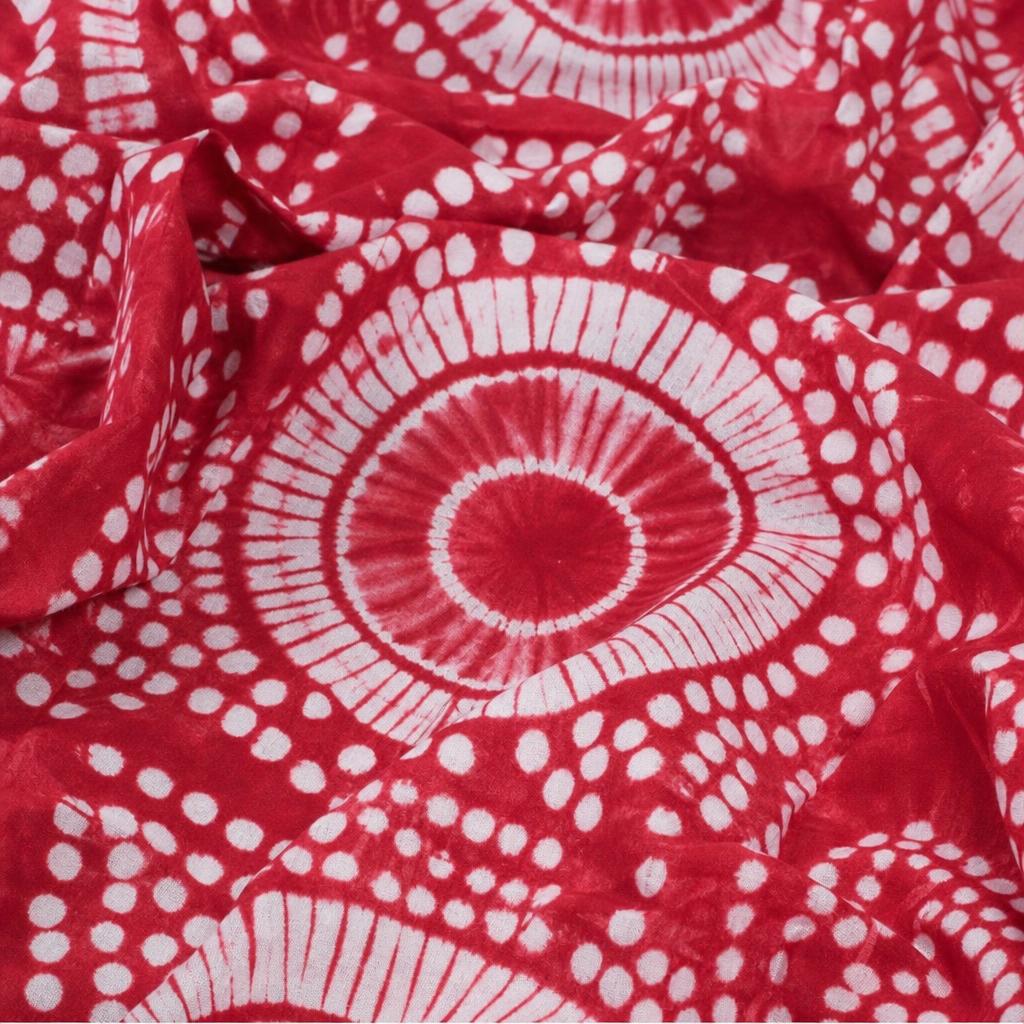
Adire is a centuries-old, hand-dyed textile traditionally made by Yoruba women in southwestern Nigeria, primarily around the Abeokuta and Ibadan regions. The name translates to 'tie and dye,' with adi meaning 'to tie' and re meaning 'to soak'.

Afterlife

Older adire pieces and contemporary production surplus enter the marketplace as panels for accessories, interior work and capsule pieces that carry the story of the dye vat forward.

Have cloth that belongs in circulation?